 Brazil
/ About the city
Introducing Florianópolis
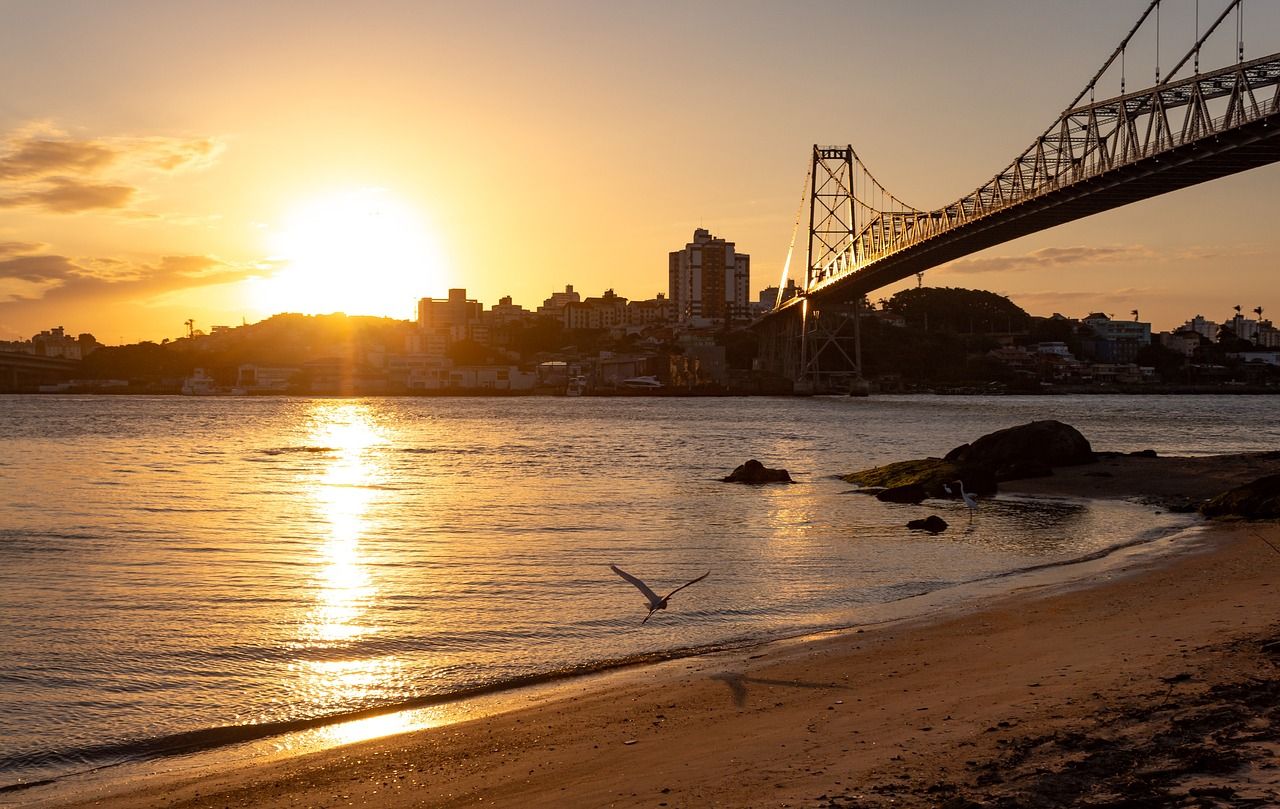
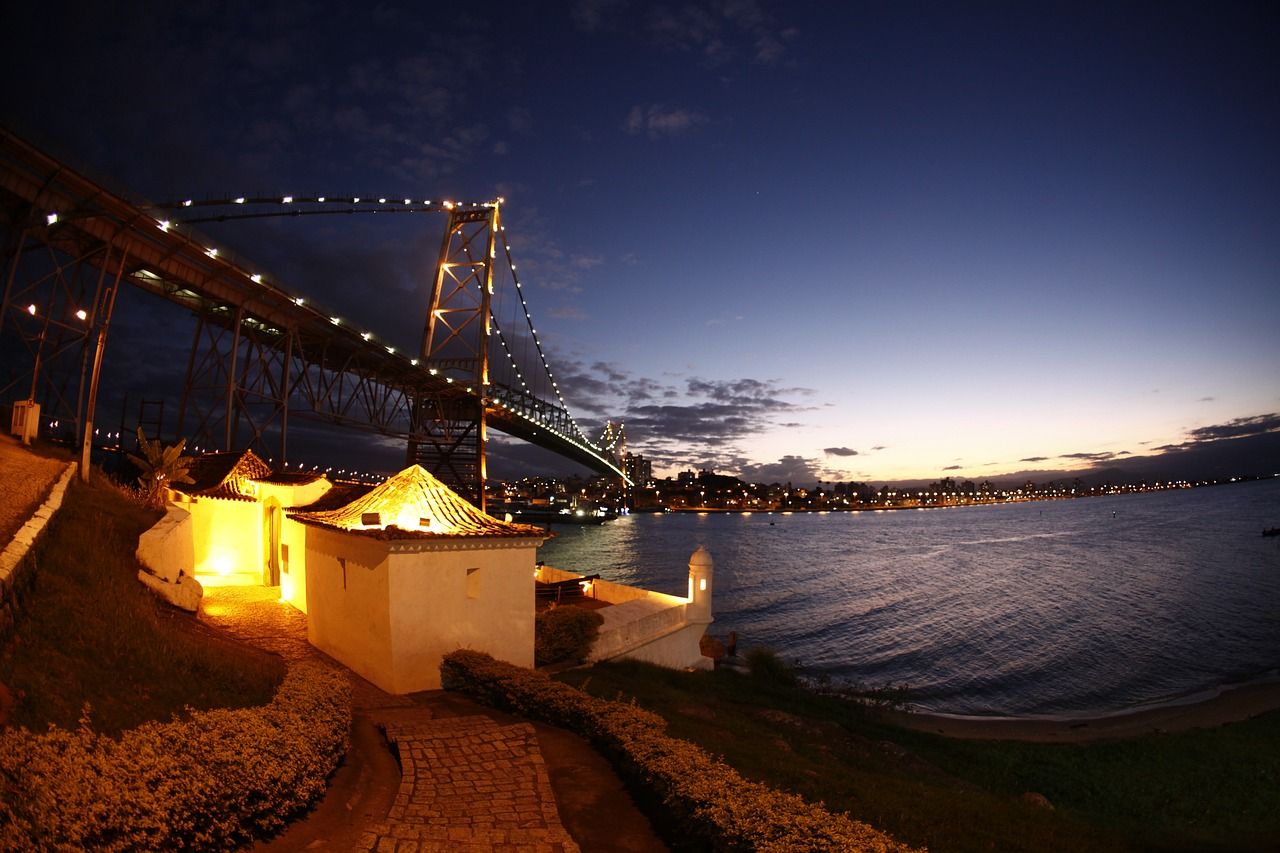
Florianópolis, the capital of the State of Santa Catarina in southern Brazil, is a municipality comprising several islands — the main one is Santa Catarina Island — and a mainland area. The city is also affectionately called "Floripa", a place where territorial diversity, biodiversity and culture are deeply connected to the ways food is produced, prepared and consumed.
Since 2014, Florianópolis has been part of the UNESCO Creative Cities Network in the field of Gastronomy, becoming the first Brazilian city to receive this recognition. Gastronomy is an essential part of Floripa's identity and brings together the knowledge and practices of traditional communities, artisanal fishing, local production, regional ingredients, chefs, restaurants, markets, educational and research institutions, and civil society organizations.
The city is also nationally recognized for its innovation and entrepreneurship ecosystem and is designated Brazil's National Capital of Startups by Federal Law. This capacity for innovation creates opportunities to advance towards a more sustainable economy by connecting knowledge, technology, entrepreneurship and the appreciation of local resources.
Valuing local and seasonal products, short food supply chains and traditional knowledge brings producers, cooks, consumers and visitors closer together, strengthening the local economy and contributing to the conservation of socio-biodiversity. Florianópolis also recognizes the importance of applying circular economy principles in gastronomy: the full use of food, reducing food waste, reusing by-products, composting and ensuring appropriate waste management.
Florianópolis participates in the Circular Food and Gastronomy Cities initiative to share experiences, learn from other cities and strengthen international cooperation around more sustainable and circular food systems — recognizing food as a strategic dimension in building more resilient cities deeply connected to their territories.
/ Climate & gastronomy
Challenges and actions
Florianópolis is facing growing challenges related to climate change, which affect different dimensions of its food system. Changes in rainfall patterns, extreme weather events and changes in marine environmental conditions can impact agriculture, fishing and aquaculture.
A particularly important example is oyster production, an activity deeply connected to the city's gastronomic identity and local economy. Rising water temperatures can cause stress and oyster mortality, directly affecting producers and the entire gastronomy-related value chain. In 2026, in response to these losses, the Government of Santa Catarina established an emergency credit line to support affected shellfish farmers.
- Florianópolis Zero Waste Capital a program promoting waste reduction and recovery with circular and regenerative economy principles, including composting, urban agriculture and agroecological gardens.
- Florianópolis Food Bank inaugurated in September 2025, it reduces food loss and waste throughout the local food chain while directing food to people experiencing vulnerability, and supports family farming with shorter supply chains.
- Viva o Sertão a community-based tourism initiative connecting visitors with traditional and agroecological practices, including shade-grown coffee, artisanal cachaça and traditional flour production.
For Florianópolis, addressing climate change also means protecting its food culture, ecosystems and the livelihoods connected to local production — combining science and innovation, traditional knowledge, circular economy principles and community-based tourism to make the city's food system more resilient, inclusive and prepared for the future.